1/ Find the idea that sets you apart
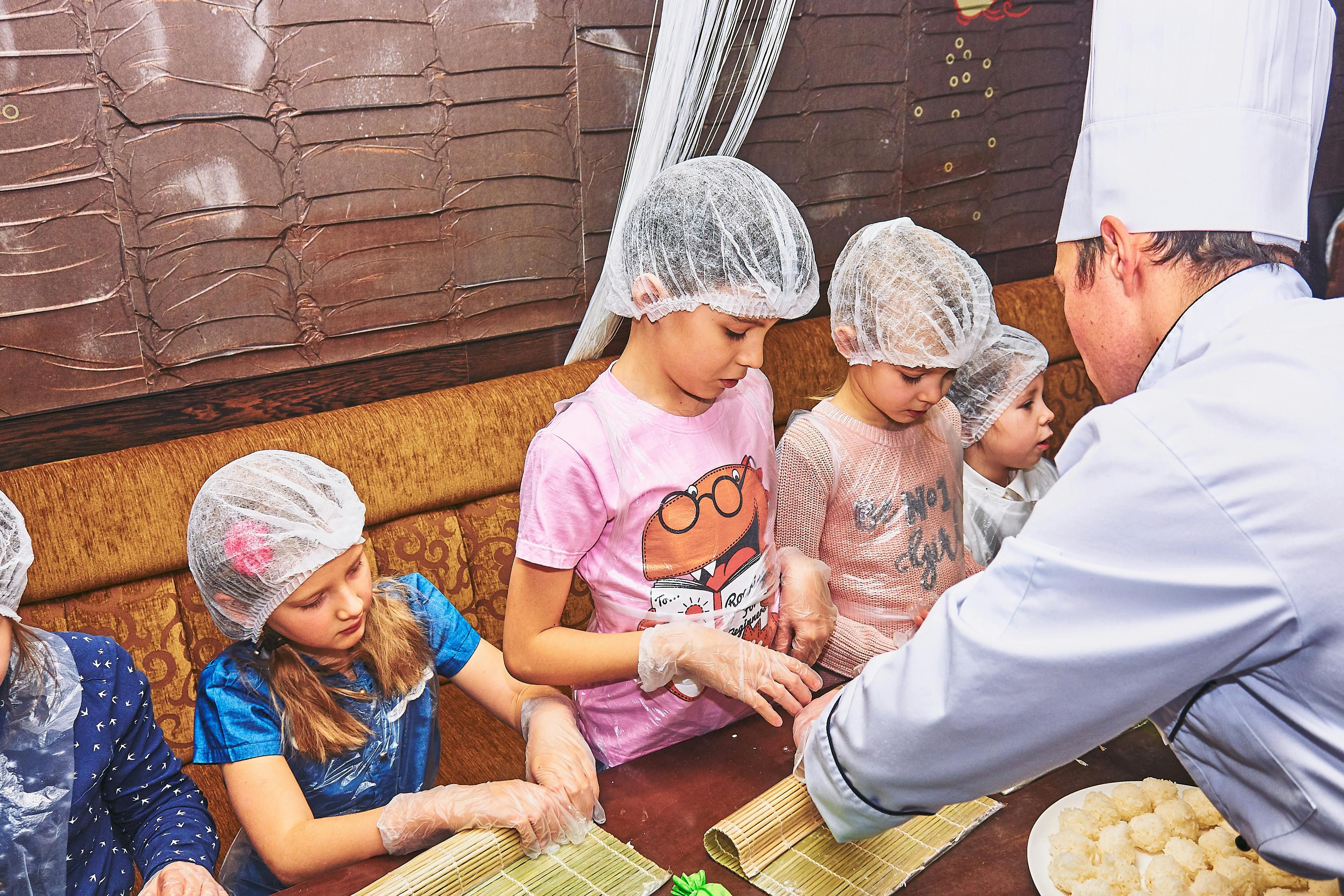
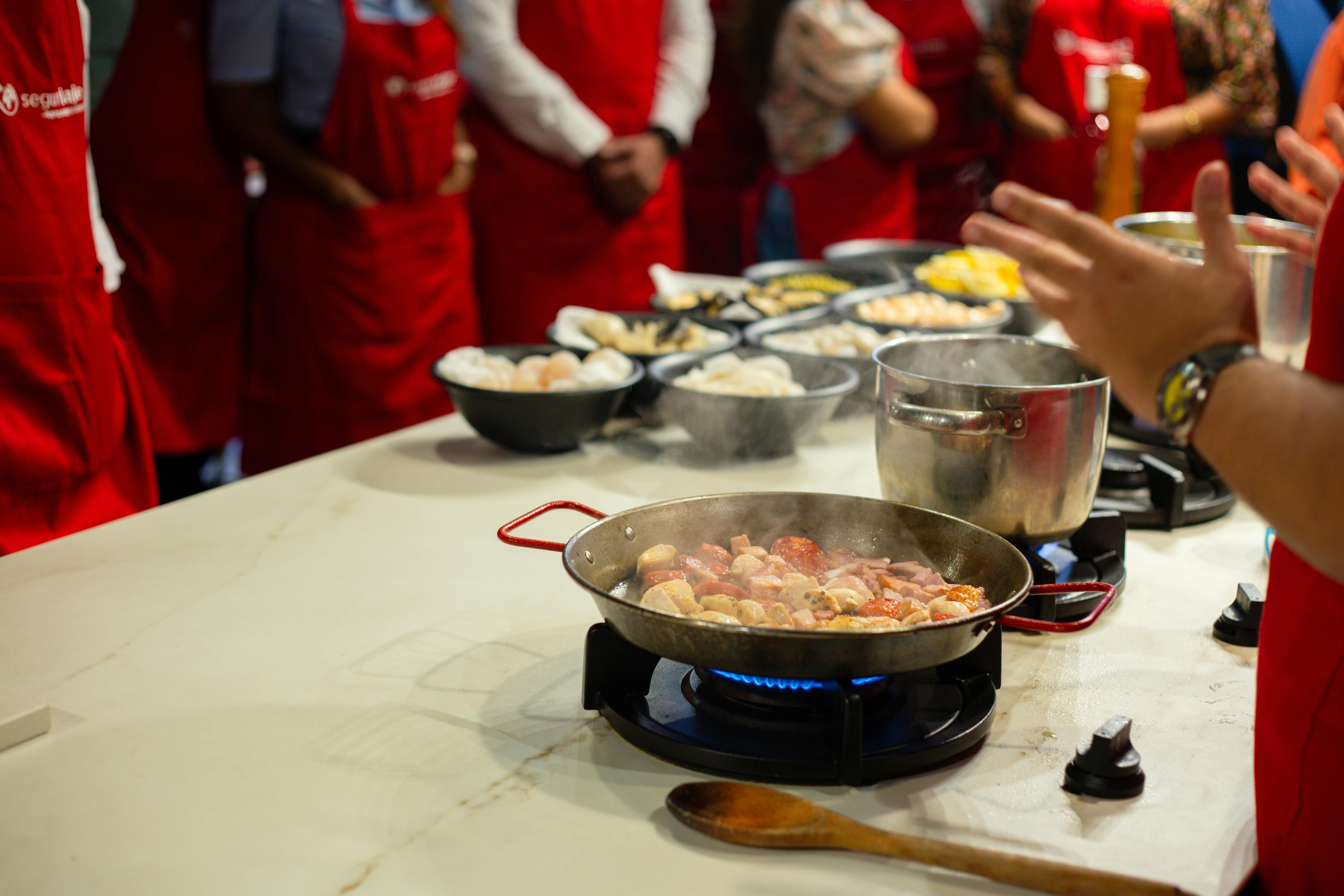
Before you reach for your apron and line up your knives, you need to define your offering precisely. Ask yourself one simple question: what will you offer that other cooking instructors don't already? Cooking workshops have genuinely multiplied in recent years, so standing out is essential.This might lead you to choose a specific cuisine or a specific audience, children, for example. You could also target businesses, particularly for team-building events. Let your imagination and your passions do the talking!
Once you have defined your idea and your positioning, everything else will follow from it. You can then decide on the length of your workshops, your pricing, and your choice of venue.
Bear in mind that the cooking workshops that perform best often meet a specific need. Your job is to turn an everyday problem into the promise of a workshop!
2/ Handle the legal requirements for your cooking workshop
To offer your services to the general public or to businesses, you first need to set yourself up as a legal entity. You can start with the least constraining option by registering as a sole trader (autoentrepreneur). This lets you validate your concept while operating within a legal framework.You can also go straight to forming a simplified joint-stock company (SAS) if several people are involved in the project and it is set to grow quickly. In that case, you will also need an accountant on board. Whatever you do, never run a cooking workshop outside a proper legal framework!
3/ Choose the right venue for your cooking workshops
The question will come up quickly: where will you host your cooking workshop? At home? In a professional space? Pay close attention to insurance and safety regulations.The venue should not just look good, either. It must be functional and allow your clients to move around safely.
Be equally rigorous about capacity. Don't cram your clients in, and keep in mind that the more successful the experience, the more word of mouth will help you win new clients!
Accessibility, capacity and overall atmosphere all play a decisive role in the experience. The venue you use for your cooking workshops must be both welcoming and functional.
4/ Meet your hygiene obligations
In France, any activity involving the handling, preparation or distribution of foodstuffs is subject to health and safety regulations. These regulations apply to restaurants as well as to cooking workshops and cooking classes.In practice, you must comply with the standards known as HACCP (Hazard Analysis and Critical Control Points). These standards are designed to prevent food poisoning by identifying risks before they become a problem.
At least one person in your workshop must therefore have completed HACCP training. The training generally lasts 14 hours spread over 2 days, and the certification has no expiry date.
5/ Professionalize the booking process for your cooking workshops
You have found your concept and your venue, and you are starting to attract your first interested clients? It is time to step things up by putting a professional booking system in place. It will save you an enormous amount of time! No more endless back-and-forth emails with your clients: they will be able to see your upcoming cooking workshops and book directly.We naturally recommend the Explorates booking system, perfectly suited to cooking workshops of every size. You can set your availability and pricing, and publish your offerings on your own website or on third-party sites. Explorates lets you display your offers on the websites of major activity booking platforms, including GetYourGuide.