With the Middle East in turmoil, the war in Ukraine at a stalemate, and international tensions still running high in numerous flashpoints around the globe, what does 2026 hold for tourism? Several research firms have examined the question and, beyond the arrival figures by destination, a number of major trends are emerging for the year ahead.
1/ The rise of AI in tourism
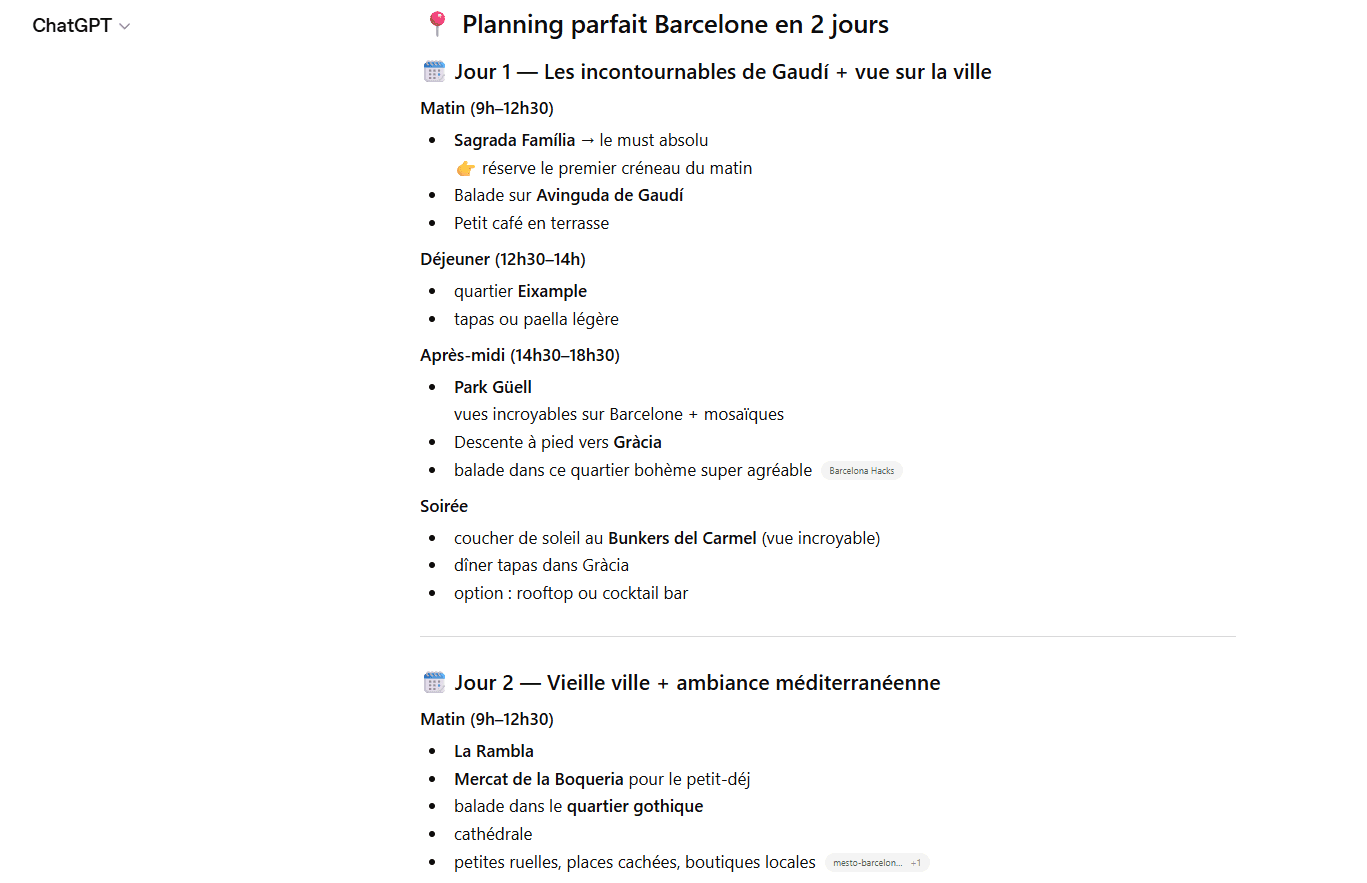
Just a year ago, AI was the preserve of technology enthusiasts. Today, ChatGPT, Claude and Mistral AI have become everyday assistants for almost everyone, in both professional and personal life.Tourism is also being hit full-force by the AI wave! More and more travelers are now using AI to plan their trips. They ask ChatGPT to put together a detailed itinerary, taking into account museum opening times, top recommendations and must-see activities. According to the Travel Trends 2026 report published by GDS Amadeus, AI usage increased by 64% between 2025 and 2026!
Initial tests are also underway to allow AI to book a service end-to-end, starting from a single sentence request. Tourism businesses therefore need to embrace the AI shift by adopting booking systems that can be used by AI.
The days when a tour guide, a creative workshop, a cooking class or a high-ropes park could wait for customers to send a booking request by email are over. Websites must now integrate booking systems that reflect full availability and pricing in real time. This is of course precisely the purpose of the booking system created by Explorates! Explorates is indeed a member of the international consortium OCTO, which sets the standards for bookings in the tourism industry, a critical topic as AI continues to grow in influence!
For Globetrender, author of the Travel Trends report, the defining trend of 2026 will be the emergence of a combination of AI and human interaction. In tourism, customers won't want to rely on AI alone: they want reassurance, whether through reviews or exchanges with a destination specialist.
2/ Slow tourism as a reaction to overtourism
Images of Venice overrun by cruise ships or of the Trevi Fountain besieged by tourists have left a lasting impression. Overtourism has become a genuine issue for destinations and travelers alike. And even if "hell is other people", many tourists no longer want to find themselves in places swamped with visitors.In reaction to overtourism, slow tourism is set to gain ground in 2026. The trend is clearly highlighted in the analysis put together by the Infos Tourismewebsite. "Fewer destinations, more time on the ground," the site summarizes, adding: "Night train travel is making a strong comeback, and 'workations' are evolving into stays of several months for deep cultural immersion."
Tourism businesses must also respond to this trend by embracing its sustainable, authentic and unhurried dimension. For guided tours, why not take a step off the beaten track and invite visitors to discover more unusual places? Encounters with locals are also increasingly popular. This naturally calls for reinvention and innovation!

3/ The revenge of pop culture
If you offer guided tours or workshops, you'll need to pay attention to pop culture. It really is the big trend of 2026 in tourism! As the news cycle grows ever more anxiety-inducing, travelers are escaping through the heroes of TV series, manga and comics.Numerous guided tours are now offered in the footsteps of superheroes, with guides who don't hesitate to dress up in costume for added immersion. Specialist conventions are also packing in the crowds, as seen with the Polymanga convention, held in early April 2026 in Lausanne, which broke all its attendance records. Amadeus Travel Intelligence noted a 9% rise in searches for San Diego during the Comic-Con convention alone in 2026.
The 2026 trends report produced by Expedia also highlights the major comeback of set-jetting: traveling to film and TV shooting locations. "This trend of traveling to destinations inspired by films and TV series is gaining momentum. Projections suggest it could well become a sector generating revenues of $8 billion in the United States alone," Expedia explains in its report.
Since 2020, the series Emily in Paris has sparked a tourism boom in Paris. Fans of the show were determined to walk the streets where it was filmed, and each new season has amplified the phenomenon further!
4/ The rise of pet tourism!
Never heard of pet tourism? That's hardly surprising, as the term is set to take off in 2026. Pet tourism refers to traveling with your pet, in other words, those customers who want to go on holiday with their animal.And this is far from a niche phenomenon! Paris's Roissy-CDG airport has already adapted by setting up pet well-being areas for dogs in its terminals. Airlines are also getting on board, with offerings specifically designed for animals. Economic analyst Bloomberg states that the global pet industry could surpass the $500 billion mark by 2030.
The challenge now is to adapt! Accepting pets does require a degree of organization, whether during a guided tour or a workshop. Especially since you can charge for the animal's presence. To do this, a booking system like Explorates will help you manage different pricing tiers and resources. Your furry guests will be in the system!
5/ The strong return of point-to-point travel
A few years ago, when the Airbus A380 launched, every airline swore by the hub model. This is how Dubai, Abu Dhabi and Doha established themselves on the world map, making it possible to connect to virtually anywhere with just one stopover.However, the hub model eventually ran out of steam, for a whole host of reasons. Transit times sometimes became unacceptable for travelers, visa requirements or electronic travel authorization added complexity, and fares were ultimately not as competitive as expected. The crisis in the Middle East has further weakened the hub model in the Persian Gulf.
But the shift was already taking shape. Amadeus notes that Airbus already has more than 500 orders for its new A321XLR, a long-haul narrowbody designed to operate long non-stop flights. The first deliveries took place in 2025, and the new aircraft will flood the market in 2026. Iberia, the launch customer for the new model, plans to deploy it on routes to South America.
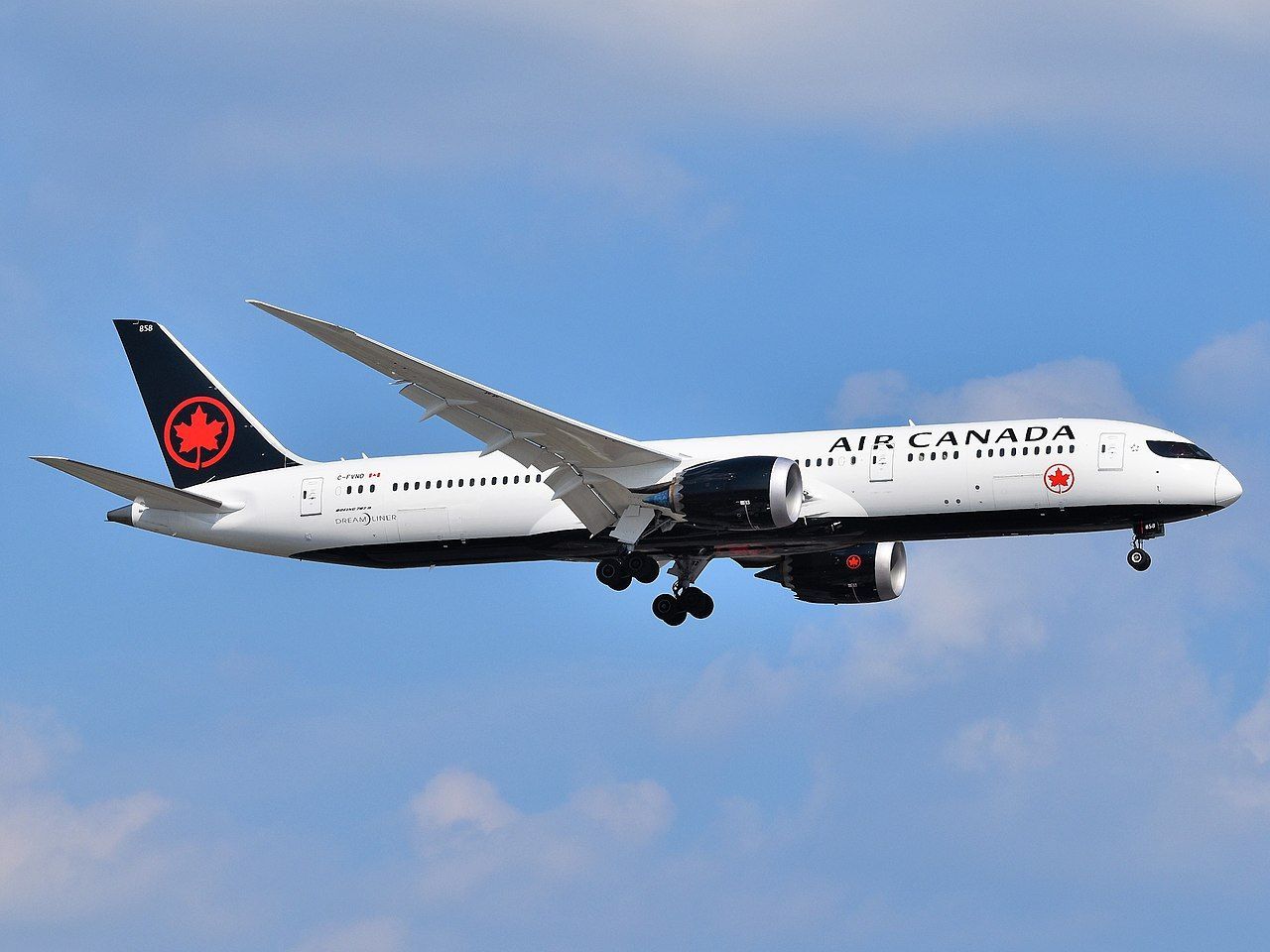
The return of point-to-point travel could have a decisive impact on visitor numbers to certain destinations, by opening up routes that didn't previously exist. Indian low-cost carrier IndiGo, for example, launched flights between India and Athens from January 2026. Air Canada, meanwhile, offers flights between Montreal and Majorca. A welcome boost in customers for these destinations!