Do you sell activities, guided tours, seasonal rentals or any other bookable product online? To handle bookings, payments and customer confirmations, you will need to rely on technology, unless you plan to sit in front of your screen with your phone and card reader 24 hours a day!
There are really only two ways to handle bookings online: you can either use a Widget or use an API. These are two concepts that aren't always easy to grasp when you're unfamiliar with the complex world of online booking. But don't worry, we'll explain everything!
What is the difference between a Widget and an API?
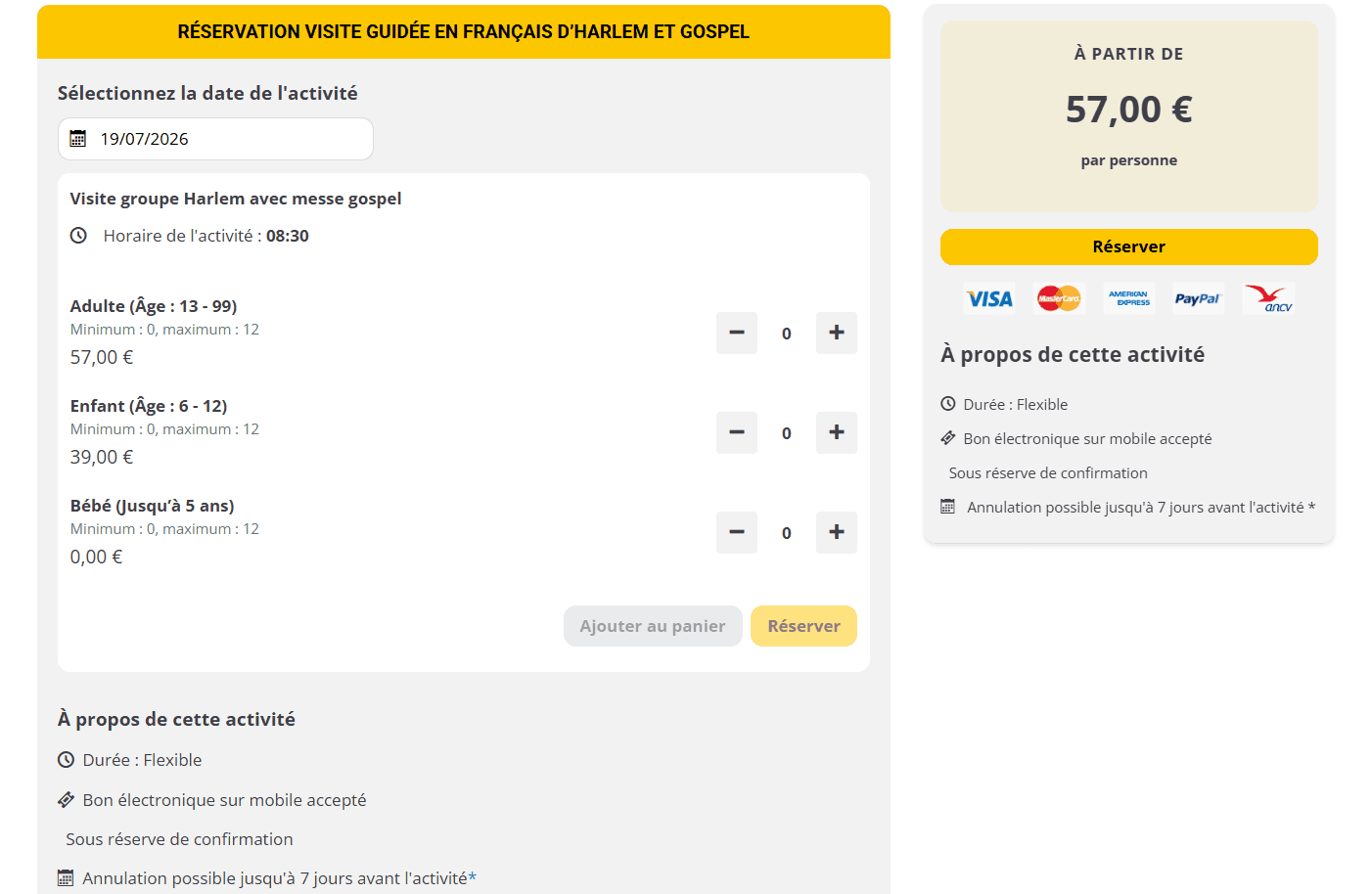
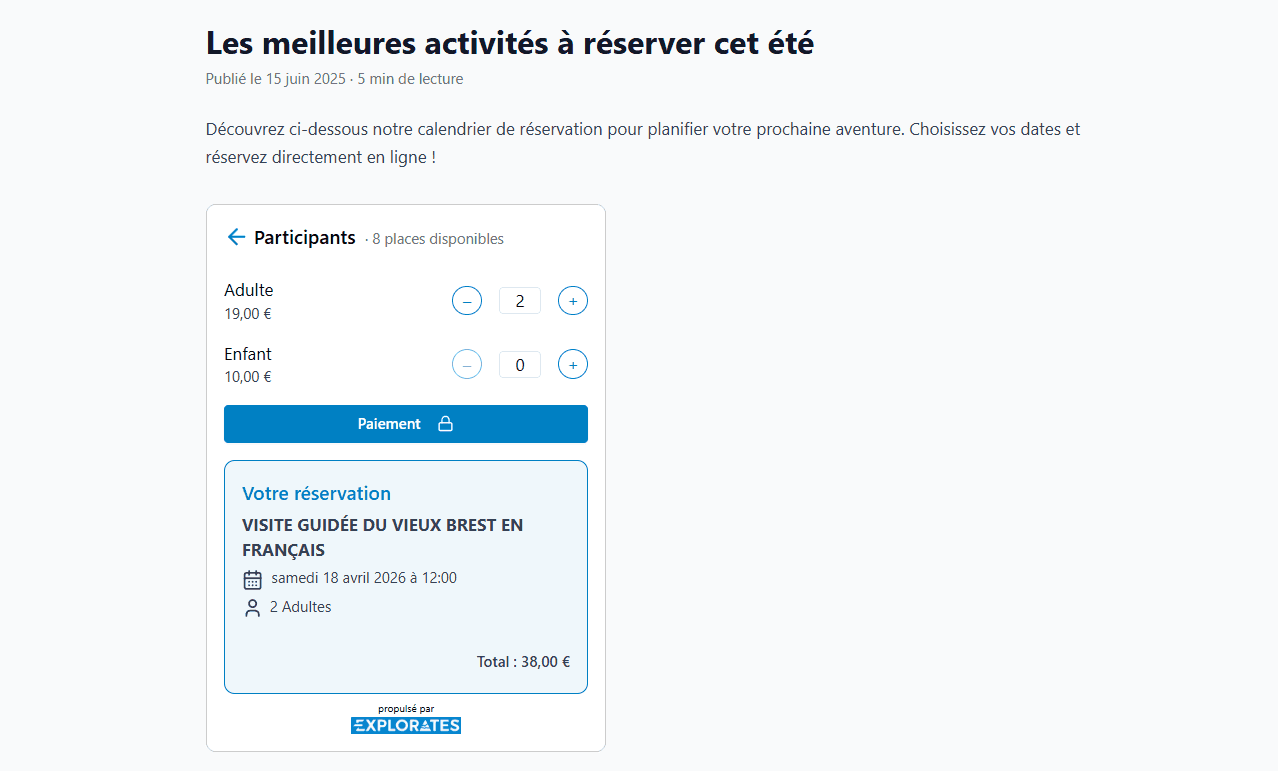
A Widget is a small graphical element placed somewhere on your website that calls on an external booking system. The Widget then displays the booking module in the designated spot on your site.An API, on the other hand, is invisible to visitors on your site. It is used solely to exchange information between your website and the booking system. The booking itself must then take place within a booking module that you have built yourself.
An example? Imagine your website is a restaurant and the visitors to your site are customers walking through the door. The Widget would be the menu, while the API would be the order placed by your customers, sent directly to the kitchen.
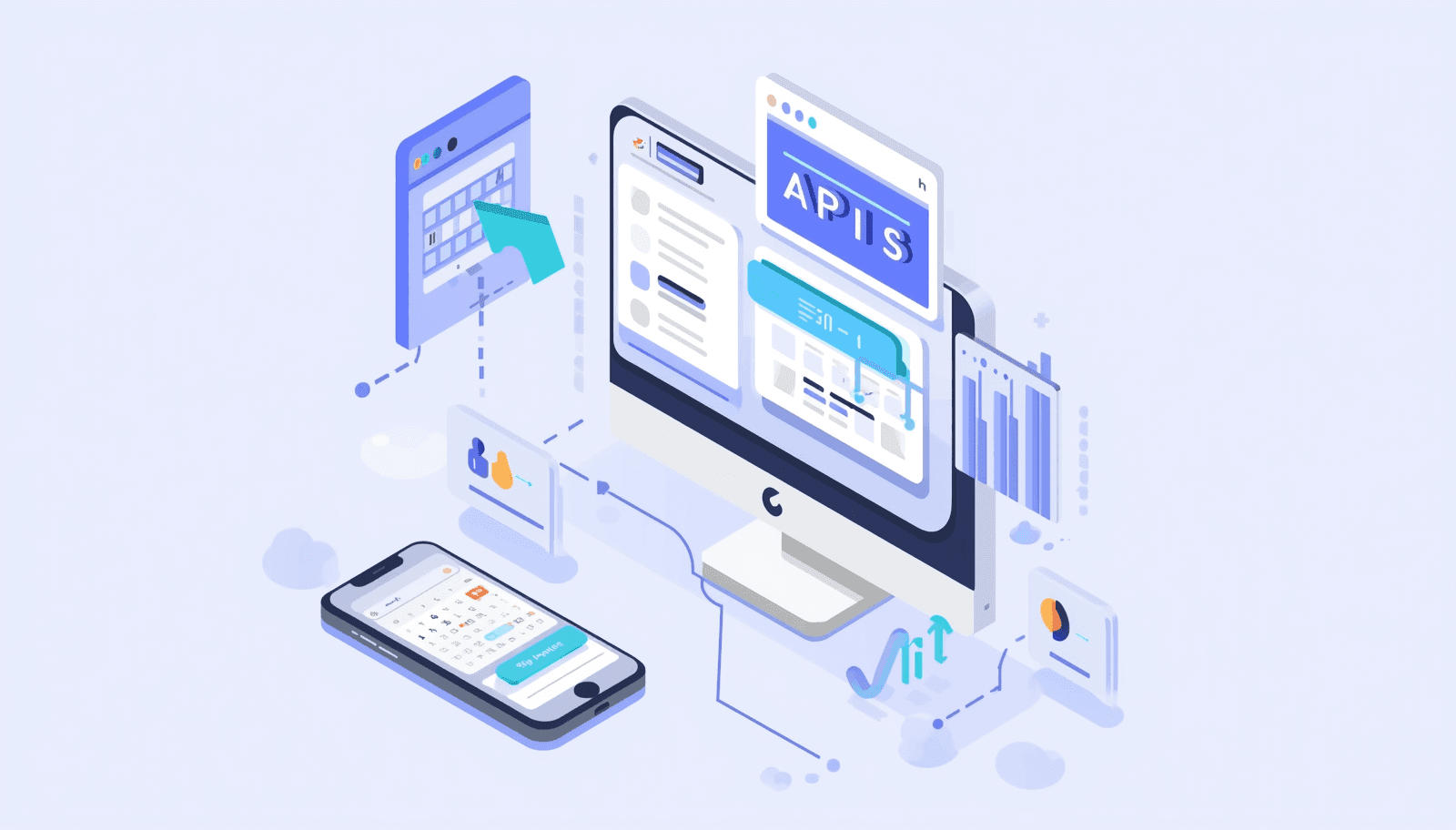
One important thing to know: a Widget must always be connected to an API in order to work, because the website calls the API, which checks in the database whether the booking is available and, if so, confirms the purchase. All of this happens in a matter of hundredths of a second, of course! Conversely, an API does not work on its own: it needs a shell to present it on your site, but that shell doesn't have to be a Widget.
Widgets don't only exist for booking systems. You can also use Widgets to display today's weather, a calendar, messages from your social media accounts, or customer reviews of your products. There are all sorts of them!
Why choose a booking Widget?
If your website is used solely to promote your guided tours or activities, a booking Widget will be more than sufficient. The first advantage of a Widget is that it can be set up quickly and easily, in just a few clicks. It is simply a short line of code to be inserted wherever you want the booking module to appear on your site.You therefore don't need any particular IT skills to install a Widget. You just need to know how to copy and paste into your website's pages. On WordPress, the process is made even simpler: all you need to do is copy and paste the Widget code into a "Code" block. And that's it!
The booking Widget we offer on Explorates also has the advantage of being customizable. You can fine-tune the primary color by entering the exact color reference used on your site. Your Widget will then be linked to your Explorates account to check availability and pricing for each of your products via our API. Simple, practical and effective!
Why choose an API for your bookings?
An API-based booking solution is aimed at businesses that have a team capable of integrating an API into their website. An API genuinely requires getting under the bonnet to establish the necessary connections with the database. You will need to set up what are known as API routes, the entry points that lead to the database.The work is more complex than installing a Widget, but the result is a fully customized booking system, both in terms of content and design. The API exchanges data between the website and the booking system in real time. It gives you complete control over every aspect of the transaction, whether that's the sales funnel, the messages displayed throughout the customer journey, or the design of the various elements.
The API therefore offers far more possibilities! And the Explorates API has an added advantage in that it is built on the OCTO standard. This internationally deployed standard makes it possible to standardize the exchange of information during tourist booking operations, a framework that saves a great deal of time with each successive API integration!
Explorates allows you to connect directly to our API through an on-request plan reserved for businesses. Feel free to contact us for more information.